
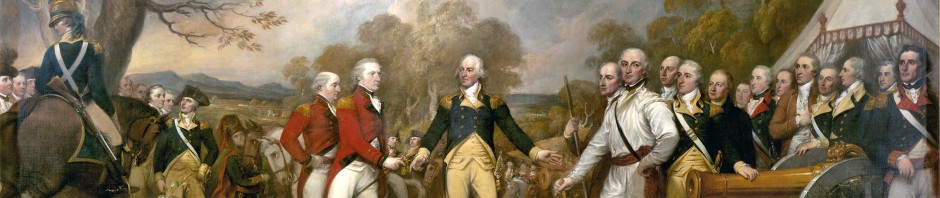
As the conflict between the fledgling colonies and Britain started, the question rose very quickly “how do we compensate soldiers for their service?”
Much of the counties of southwest Ohio were part of military land grants including Clermont County.
Last Saturday in Goshen Ohio we participated in a grave marking event to recognize six revolutionary war patriots who most likely moved to Ohio to take advantage of the military land grants issued as a form of payment for their Revolutionary War service.
The following acreages were granted for service based on their rank in the military:
History (from Wikipedia):
The Congress had little money to pay the soldiers who fought for independence. They made promises of land to induce army enlistment. By resolutions of September 16 and 18, 1776, and August 12, September 22, and October 3, 1780, they proposed to give each officer or private continuously to serve in the United States army until the close of the war, or until discharged, or to the representatives of those slain by the enemy, the amounts in the table.
| Bounty (acres) |
Ranks |
|---|---|
| 1100 | Major General |
| 850 | Brigadier General, Director |
| 500 | Colonel, Chief Physician, Purveyor |
| 450 | Lieutenant Colonel, Physician, Surgeon, Apothecary |
| 400 | Major, Regimental Surgeon, Asst. Apothecary |
| 300 | Captain, Surgeons Mate |
| 200 | Lieutenant |
| 150 | Ensign |
| 100 | Non-commissioned officer, Soldier |
Significant parts of Ohio were part of Military Land Grants. If you have a home in Clermont county for example and review your property deed, most likely you will see reference to a Military Land Grant as the original chain of title on your property.
The program was not as favorable as one may have hoped. Unfortunately, many of these land grants were in areas still controlled by the Native Americans. Many of the land grants issued were not exercised by the original military person and were sold to others including investors for pennies on the dollar. Often the soldiers found the land issued to them inhabited by squatters requiring expensive litigation. As these soldiers aged they became less interested in picking up stakes and tackling the frontier.
The impact of these challenges resulted in only a limited number of the original grantees ever settling on the land they were issued. Unscrupulous speculation was widespread staining the real value of this program.
For a new country, with very limited financial resources, this land grant program had promise, yet under delivered. It was however part of our history and has a direct impact on property ownership in present day Ohio.
Hope this satisfies your curiousity!


